Why Preventive Termite Control Services Are Worth It
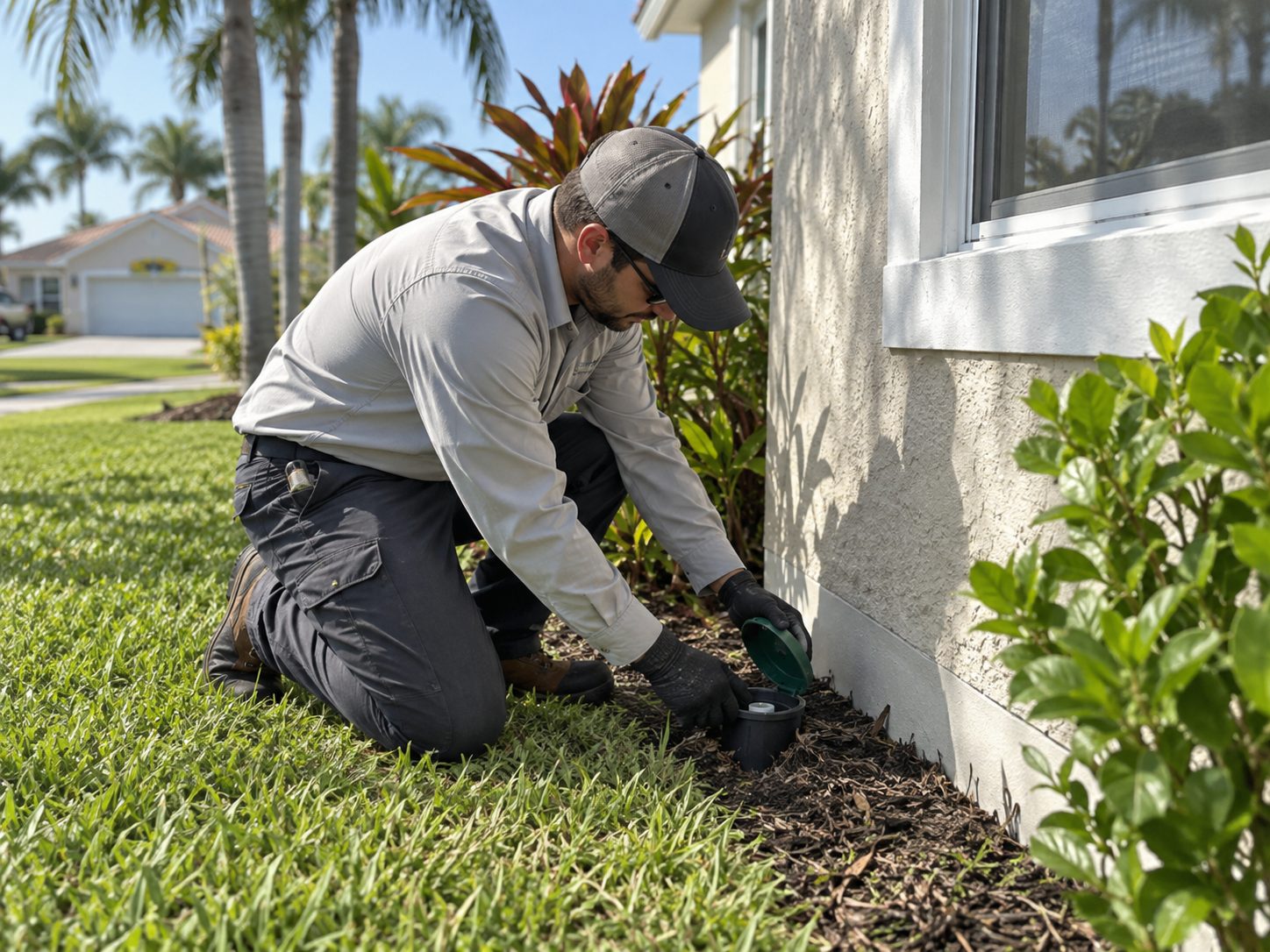
Termites are easy to ignore because they work quietly. Most homeowners never see the colony itself. They do not hear obvious scratching in the walls. They do not wake up to dramatic signs the way they might with a raccoon in the attic or a burst pipe in the basement. What they notice, if they notice anything at all, is often subtle: a door that starts sticking, paint that looks bubbled for no clear reason, a hollow note when they tap a window frame, a few discarded wings near a sill after a warm rain.
By the time those clues appear, the insects have usually been active for a while.
That is the core reason preventive termite control services make financial and practical sense. They are not just a pest treatment. They are a form of property protection, closer in spirit to roof maintenance, drainage correction, or annual HVAC service than to an emergency extermination call. You are paying to reduce the chance of hidden structural damage, expensive repairs, and the kind of disruption that tends to arrive at the worst possible time, often during a remodel, a sale, or after damage has spread beyond a simple fix.
Homeowners sometimes hesitate because they have not seen termites firsthand and do not want to spend money on a problem that may never happen. That instinct is understandable. Preventive work is always a harder sell than reactive work, especially when the threat stays out of sight. But in markets where termites are active, waiting for proof usually costs more than planning ahead.
The real cost of “doing nothing”
When people compare the price of preventive service against the price of doing nothing, they often make the wrong comparison. They imagine a best-case scenario in which no termites ever show up. In reality, the fair comparison is between ongoing preventive care and the full cost of discovering an infestation late.
That late-stage cost is rarely limited to extermination. It often includes opening walls, replacing damaged trim, repairing subfloors, reframing small sections, repainting disturbed areas, and paying contractors to chase damage that spread farther than anyone expected. In older homes, the costs can climb quickly because access is harder and wood components are more varied. In crawl spaces, damage can be especially inconvenient because inspection and repairs take more time and involve unpleasant working conditions.
A local treatment for an active issue may solve the immediate insect problem, but if the colony has already fed for months or years, the bigger expense is carpentry. I have seen homeowners feel relief after hearing the pest treatment itself would be manageable, only to learn that the repair bill would be several times higher. That is the moment preventive service starts to look less like an optional expense and more like a missed safeguard.
There is also the timing factor. Structural repairs almost never happen when the household has extra money and free time set aside. They show up during mortgage applications, kitchen renovations, insurance claims for unrelated issues, or right before listing a home for sale. An inspector finds suspicious damage, a buyer gets nervous, and suddenly the owner is negotiating from a weaker position.
Preventive termite control services reduce the odds of that chain reaction.
Why termites are such a frustrating pest
Many household pests are unpleasant but straightforward. You see ants on the counter, you trace the trail. You hear rodents at night, you inspect the attic or crawl space. Termites behave differently. Subterranean species, which are common in many regions, travel from the soil into the structure through mud tubes, cracks, expansion joints, or hidden entry points near plumbing penetrations. They need moisture, shelter, and a route to cellulose. A home provides all three if conditions line up.
Drywood termites create a different set of problems. They do not need soil contact, so they can establish themselves directly in wood components such as trim, siding, fascia boards, or attic framing. That means a house can be vulnerable even when the foundation and grading look fine.
What makes both types difficult is concealment. Termites consume wood from the inside out. A board can look largely intact from the surface while its interior has been compromised. That hidden pattern is exactly why preventive service matters. You cannot reliably monitor risk with a quick visual glance once or twice a year.
Professionals know where to look, what conditions raise concern, and which signs are easy to miss. That knowledge is worth more than many people realize. The value is not just in applying a product. It is in understanding the building as a system.
Prevention is usually broader than treatment
Good termite prevention is not just a chemical barrier. It is a combination of inspection, risk reduction, and targeted intervention. A competent provider does more than spray and leave. They evaluate the site, note moisture problems, identify wood-to-soil contact, inspect vulnerable areas, and explain what conditions could invite activity later.
In that sense, preventive termite control services work best when both sides do their part. The pest professional manages the protection strategy. The homeowner addresses the physical conditions that make infestation easier. If a downspout empties at the foundation, mulch is piled against siding, a leaking spigot keeps the soil damp, and scrap lumber sits under the deck, even the best service plan is working uphill.
Some of the most preventable termite problems start with moisture and access. Wet soil around the perimeter, poor drainage, clogged gutters, and dense landscaping against the house all create an environment termites like. Prevention often involves correcting those small issues before they contribute to a larger one.
What preventive service typically includes
The exact approach depends on region, construction type, and termite species, but most preventive programs include a few core elements. The details matter because not every property needs the same solution, and not every company provides the same level of care.
- A thorough inspection of accessible interior and exterior areas, including crawl spaces, basements, garages, and perimeter conditions
- Identification of risk factors such as moisture intrusion, wood-to-soil contact, foundation cracks, and landscaping that hides access points
- Installation or maintenance of a treatment method, often a soil treatment, baiting system, or a combination based on the property
- Ongoing monitoring at scheduled intervals to catch new activity before structural damage expands
- Clear documentation, which can be useful for homeowners, buyers, and real estate transactions
That ongoing monitoring piece is one of the strongest arguments for preventive service. Termite risk is not static. Soil shifts, additions get built, irrigation patterns change, old caulking fails, and drainage problems develop gradually. A home that looked low-risk three years ago can become more attractive to termites without the owner realizing it.
The value of trained eyes on a schedule
Most people are not going to inspect their own crawl space with the discipline or skill needed to spot early warning signs. Even diligent homeowners tend to focus on visible living spaces, not sill plates, support piers, expansion joints, or utility penetrations. And when they do notice something unusual, they often misread it. I have seen harmless water staining mistaken for termite damage, and I have seen actual termite shelter tubes dismissed as dried mud.
Routine professional inspection solves that problem.
It also creates continuity. A technician who sees the property regularly can compare current conditions to prior visits. They know if a vulnerable area is stable, improving, or getting worse. That kind of pattern recognition matters. One isolated sign may not tell the whole story, but a small change over time can reveal a developing issue.
For homeowners who travel often, own rental property, or simply do not spend much time examining the structure, this kind of scheduled oversight is especially valuable. A vacant or lightly monitored property gives termites more time to operate unnoticed.
Why early detection changes the economics
Pest control conversations often get stuck on treatment price, but the more important question is what stage of the problem you are dealing with. Early detection changes everything.
If termite activity is found near the perimeter and addressed before significant feeding occurs, the fix may remain relatively contained. If the same activity goes unnoticed until flooring starts to soften or a remodel exposes damaged framing, the response becomes far more expensive and invasive. The difference is not theoretical. It is the difference between management and reconstruction.
This is where preventive termite control services justify themselves most clearly. They shorten the time between termite arrival and termite discovery. In practical terms, that means less feeding, less spread, and less repair.
There is also a less obvious benefit: fewer surprises during unrelated home projects. Contractors uncover termite damage all the time when replacing windows, redoing bathrooms, opening wall cavities, or repairing exterior trim. Nothing stretches a budget faster than hidden damage discovered after demolition has already begun. Preventive care lowers the odds of that kind of unwelcome detour.
Not every house carries the same risk, but many carry more risk than owners think
A concrete slab does not make a house termite-proof. Brick veneer does not make a house termite-proof. New construction does not make a house termite-proof. These assumptions are common and often wrong.
Termite risk depends on several variables, including local pressure, climate, soil moisture, landscaping, construction details, and the condition of the structure over time. A well-built house in a termite-active region may still become vulnerable if grade levels rise against siding, if irrigation keeps the soil wet, or if a plumbing leak goes unnoticed under the slab or in the crawl space.
Some properties deserve especially close attention. Homes with crawl spaces, heavy shade, poor drainage, older additions, abundant exterior wood, or a history of termite issues nearby are often stronger candidates for prevention. The same is true for houses surrounded by tree stumps, woodpiles, fences, or outbuildings that can support activity near the main structure.
That said, the absence of obvious risk factors should not create false confidence. I have seen clean, well-maintained homes develop termite issues simply because the regional pressure was high and the entry point happened to be concealed.
Bait systems versus liquid treatments, and why the answer is not always simple
Homeowners often want a quick verdict on the best prevention method. The honest answer is that it depends.
Liquid soil treatments can create a protective zone around the structure. When properly applied, they are a strong option for many homes. They may be especially effective where construction and soil conditions allow thorough treatment. Bait systems work differently. They monitor for activity and deliver control through termite feeding behavior. They can be useful where soil treatment is impractical, where ongoing monitoring is a priority, or where the property layout makes baiting attractive.
Neither option is automatically superior in every setting. A corner lot with extensive hardscape, a home with a finished basement, a historic property with preservation concerns, and a modern slab home with straightforward perimeter access may each call for different strategies. Some companies even combine methods where appropriate.
This is one area where professional judgment matters more than sales language. If a provider recommends the same solution for every property without much discussion, that is a red flag. Good termite control is site-specific.
The hidden role of moisture control
If termite professionals had to pick one issue that repeatedly shows up alongside infestations, moisture would be near the top. Termites are not simply searching for wood. They are responding to favorable conditions, and damp environments help create those conditions.
A preventive service visit often reveals building issues that have little to do with insects on the surface but everything to do with risk. A gutter that dumps water at one corner. Soil graded toward the foundation. Mulch bridging the gap between ground and siding. A crawl-space vent blocked by stored items. Condensation around an HVAC line. A deck post or fence rail that creates easy wood contact near the house.
Addressing those issues may not feel like pest control in the narrow sense, but it is often the smartest part of the program. The best providers explain this well. They do not pretend that chemicals alone solve every problem. They talk about conditions, access, and maintenance because those factors determine whether the structure stays difficult or easy for termites to exploit.
Preventive care protects resale value, even before a sale is on the horizon
Homeowners usually think about termite documentation when they are already preparing to sell. That is understandable, but the value starts earlier.
A documented service history shows that the property was monitored and maintained responsibly. It signals to buyers that the owner did not wait for visible damage before taking action. In some transactions, that reassurance smooths negotiations. It may not transform the sale price on its own, but it can reduce doubt, and doubt is expensive in real estate.
Termite concerns tend to spook buyers because the damage feels hidden and open-ended. A roof problem can be seen. A water heater can be replaced. Termite damage makes people wonder what else is lurking behind finished surfaces. Preventive termite control services help answer that anxiety with records, inspection intervals, and a treatment history that shows a pattern of care rather than neglect.
For owners planning to stay in the house long term, this still matters. The best time to build a reassuring maintenance record is long before you need one.
When preventive service is most clearly worth it
There are cases where the value is especially obvious. If you own in a termite-prone region, the decision is easier. If neighbors have had issues, the decision is easier. If your house has a crawl space, heavy landscaping, drainage concerns, wood siding, older structural wood, or previous repairs in vulnerable areas, the decision is easier.
The same goes for people who simply do not want to self-monitor a complicated property. A large footprint, multiple additions, detached structures, retaining walls, and buried utility lines create more places for termites to gain access and more areas where early clues can hide.
A preventive plan is also worth serious consideration after purchasing a home, even if the inspection during the transaction did not find active termites. Real estate inspections are snapshots. They are important, but they do not guarantee future conditions. Once you take ownership, the risk becomes yours to manage.
What to ask before hiring a provider
A polished sales pitch is not enough. The quality of termite protection depends heavily on the company’s inspection habits, treatment standards, and follow-up discipline. Before signing up, it helps to ask a few direct questions.
- How will you inspect the property, and which areas are included or commonly excluded?
- What prevention method do you recommend for this specific house, and why?
- How often will monitoring or follow-up occur?
- What conditions around the home are increasing risk right now?
- What does the service agreement cover if activity is found later?
Those questions often reveal more than the brochure does. A strong provider can explain their reasoning in plain language, point out property-specific concerns, and set realistic expectations. A weak one tends to lean on general claims, vague promises, or pressure tactics.
Price matters, but it should not be the only filter. The cheapest annual plan can become expensive if inspections are superficial or treatment coverage is incomplete. On the other hand, the most expensive option is not automatically the best either. What you want is a provider whose method fits the house and whose follow-through is dependable.
Prevention works best when homeowners stay engaged
Even with professional service in place, owners should stay alert to changes around the property. That does not mean obsessing over every crack or stain. It means paying attention to maintenance. Keep gutters clear. Move mulch away Termite Control Services Maximum Pest Control from direct contact with siding. Fix leaks promptly. Avoid storing firewood against the house. Watch for areas where soil or landscaping has risen against wood components.
These are not glamorous tasks, but they reduce the conditions termites favor. When combined with routine professional oversight, they create a much stronger defense than either one alone.
There is a practical mindset shift here. Preventive termite control services are not a magic shield you buy once and forget forever. They are part of a maintenance strategy. The goal is to make your home a harder target, spot trouble early, and avoid the expensive version of the same problem later.
That is why they are worth it. Not because every house will suffer catastrophic damage without them, and not because every property needs the exact same plan, but because termites are unusually good at hiding cost until the bill becomes hard to ignore. A preventive approach brings that risk into the open, manages it on a schedule, and gives homeowners something rare in property ownership: fewer unpleasant surprises lurking behind the walls.
Maximum Pest Control
836 NE 7th Terrace Suite #5
Cape Coral, FL 33909
+1 239-772-7363
FAQ About Termite Control Services
What are two signs of a termite infestation?
Mud tubes along a foundation and piles of shed wings near doors or windows are two signs to investigate. Mud tubes are associated with subterranean termites. A licensed inspector can identify the insect and assess whether there is active infestation.
How many years does a termite treatment last?
There is no single timeline for all treatments. The method, site conditions, and maintenance affect how long protection lasts. Bait systems rely on monitoring and service. Ask the provider for the recommended inspection schedule and the terms of any coverage.
Is Termite Treatment Expensive in Cape Coral?
Cost depends on the termite species, the size and construction of the property, the extent of activity, and the treatment method. Request a written estimate after inspection and ask whether monitoring, follow-up visits, and renewals are included.